5 Lessons from My New Book: What DEI Taught Me About Leadership, Courage, and the Future

For nearly three decades, I sat in rooms where people tried to explain America to itself.

Some rooms were filled with hopeful young professionals. Some with exhausted HR directors. Some with nervous executives trying to avoid saying the wrong thing while also trying to understand why so many talented people were quietly disengaging from their organizations.

And somewhere in the middle of all those conversations, workshops, strategic plans, listening sessions, and difficult moments, diversity, equity, and inclusion became one of the most influential leadership conversations in modern American business culture.

Not perfect. Not polished. But powerful.

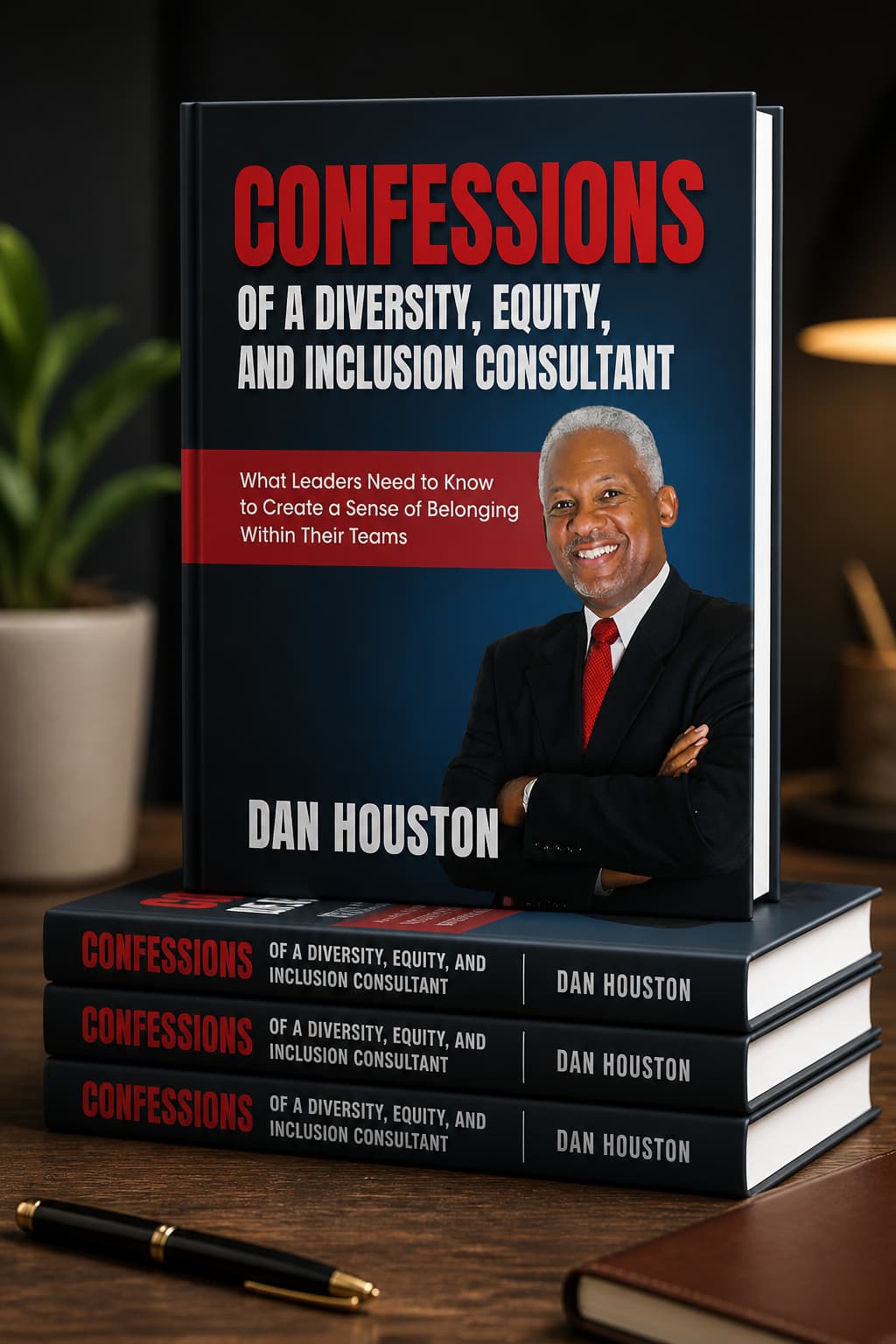
As I wrote my new book, Confessions of a Diversity, Equity, and Inclusion Consultant, I realized something important: DEI was never just about race. It was about leadership maturity. It was about whether organizations had the emotional intelligence and moral courage to tell the truth about how people experience work, power, opportunity, and belonging.

That realization also became the foundation for my new leadership course: Blueprint for Leaders of Color and the Courage to Move Forward, Still.

Here are five lessons I learned.

1. DEI Was Never a Perfect Process

Lord knows we made mistakes.

Some organizations reduced DEI to slogans and posters. Some treated it as a public relations exercise rather than a transformation process. Some consultants promised quick fixes for problems rooted in generations of culture and organizational habit.

But despite all of that, something extraordinary happened.

We built an infrastructure of dialogue across America. Companies created leadership pipelines. Universities developed equity initiatives. Managers began discussing psychological safety, bias, belonging, and emotional intelligence in ways they never had before. That matters.

Progress is rarely neat. Democracy is messy. Organizational change is messy, and growth itself is messy.

But imperfect progress is still progress.

2. DEI Changed the Leadership Conversation in America

For nearly a decade, DEI held center stage in boardrooms, conferences, nonprofit retreats, and executive coaching circles.

And underneath the political arguments was a deeper truth: people wanted dignity at work.

Employees wanted to be seen. Leaders wanted healthier cultures. Younger generations demanded authenticity instead of corporate theater.

The real shift was not simply about representation. It was about redefining leadership itself.

Leadership began moving away from command-and-control toward empathy, listening, adaptability, and emotional intelligence. In many ways, DEI accelerated conversations that organizations desperately needed to have anyway.

That is one reason why I tell leaders in my course that emotional intelligence is no longer optional. It is leadership oxygen.

3. DEI Was Never About Punishing White Men

One of the biggest myths surrounding DEI was the idea that its purpose was to attack or replace white men.

That misunderstanding proved politically useful to some, but it was never the core mission of serious DEI work.

The goal was always broader: to expand opportunity, reduce structural blind spots, and help organizations access talent that had historically been overlooked.

Sociologists Frank Dobbin and Alexandra Kalev, authors of Getting to Diversity, observed that many organizations saw stronger performance when they moved away from blame-centered approaches and instead focused on engagement, mentoring, and inclusive leadership practices.

That distinction matters.

Fear closes organizations. Curiosity expands them.

4. Tokenism Was Used to Question Competence

One of the quiet wounds many leaders of color carry is the suspicion that their success is somehow accidental.

They hear it in whispers: “You were hired because of diversity.” “You got promoted because they needed representation.”

The truth is that most leaders of color I know were not underqualified. They were overprepared.

They learned to work twice as hard, explain themselves more carefully, and survive systems that often measured them by a different standard.

DEI did not create talent. It revealed talent that had too often been ignored.

And that is one reason why Blueprint for Leaders of Color focuses so heavily on confidence, executive presence, emotional intelligence, and discernment under pressure.

Because many leaders are not struggling with their ability. They are struggling with carrying the emotional weight of being constantly evaluated.

5. Fairness Requires More Than Logic

One of the great mistakes organizations make is believing that fairness automatically wins once people hear the right argument.

History says otherwise.

As Isabel Wilkerson reminds us through her work, systems of hierarchy survive not simply because of policy, but because of deeply rooted narratives about human value and belonging.

That means discrimination is not dismantled only through policies or PowerPoints. Discrimination changes when courageous leaders act differently.

  • When managers interrupt bias in real time.
  • When executives sponsor emerging talent. 
  • When organizations stop confusing comfort with fairness.
  • When leaders choose courage over silence.

And maybe that is the real lesson beneath all of this. Leadership is not merely about position. It is about the courage to move forward anyway.


You can get a copy of my book by clicking here >>>

Talk to you soon…
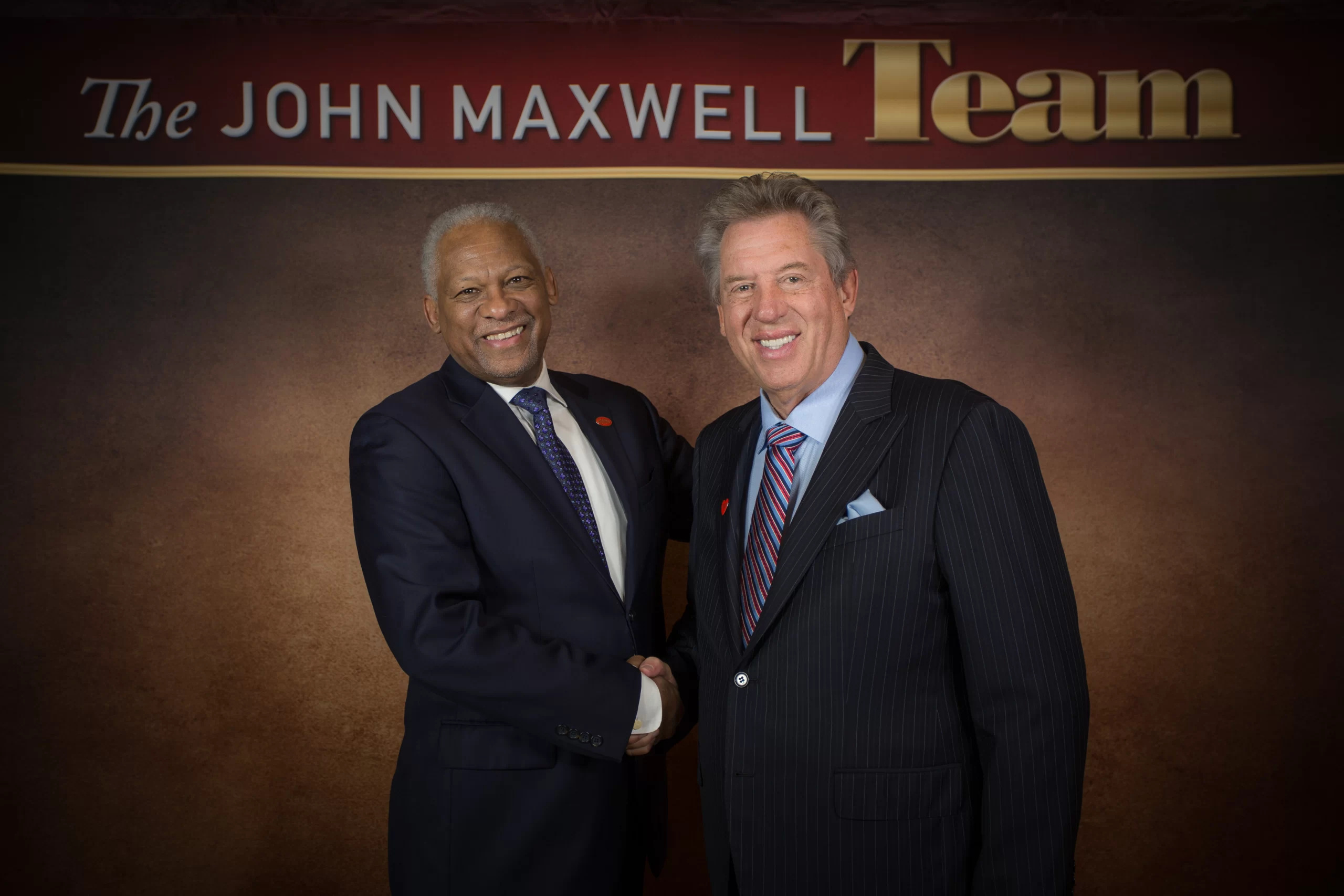
Leadership Is Not What Most People Think

Leadership is one of the most misunderstood words in the professional world. Folks throw it around like seasoning at a family cookout. Somebody gets promoted, “They’re a leader.” Somebody talks loud in meetings, “Natural leader.”


Somebody has a title, a corner office, or a badge that says Director, and suddenly everybody acts like leadership has arrived riding in on a white horse with a LinkedIn profile.

But as John C. Maxwell reminds us in Developing the Leader Within You 2.0, leadership is not position. Leadership is influence. Nothing more. Nothing less.

Now pause there for a second, because for many leaders of color, that definition can feel both liberating and uncomfortable at the same time.

rtable because many of us were raised professionally to believe that leadership would finally arrive once we worked hard enough, achieved enough, sacrificed enough, or became “acceptable enough” to the dominant culture.

Many leaders of color grew up inside organizations where the rules kept shifting like a basketball rim moving every time you shoot. You were told to outperform everybody else. Be twice as good. Never let them see you sweat. Don’t be too emotional. Don’t be too assertive. Don’t be too quiet either. Speak up more, but not like that. Be authentic, but not too authentic.

Whew. That kind of leadership pressure will wear your spirit down like cheap tires on a gravel road.

degrees, credentials, accomplishments, and overtime hours, then confidence will magically appear and executive presence will finally settle on our shoulders like royalty.

But Maxwell disrupts that myth completely.

If leadership is influence, then leadership begins long before the promotion. Long before the title. Long before somebody finally says, “You belong in this room.”

That matters deeply for leaders of color because too many talented professionals are waiting for external validation before they allow themselves to lead internally.

Here is the truth many organizations never teach:

Executive presence is not pretending to be somebody else’s version of leadership. Executive presence is the alignment between your values, your voice, your emotional intelligence, and your ability to influence others with clarity and steadiness under pressure.

That kind of presence cannot be borrowed from a title.

It must be developed from within.

Maxwell argues that leadership development starts with self-leadership. In other words: before you lead people, projects, or organizations, you must learn how to lead yourself. Your thoughts. Your emotions. Your reactions. Your fears. Your insecurities. Your need for approval.

Now let’s tell the truth here.

For many leaders of color, approval becomes a hidden addiction in the workplace. Not because they are weak, but because survival taught them to constantly read the room. To monitor tone. To anticipate bias. To avoid being labeled “difficult,” “aggressive,” “too sensitive,” or “not leadership material.”

So leadership slowly becomes performance theater.

The exhausting kind.

  • You smile when you are frustrated.
  • You overprepare because you fear mistakes will be magnified.
  • You overexplain because you fear being misunderstood.
  • You shrink your voice because confidence in a leader of color is often interpreted differently than confidence in others.


And eventually, many professionals begin measuring their leadership by other people’s comfort instead of their own clarity and competence.


That is a dangerous trap.

Because leadership is not the same thing as being liked.

Sometimes leadership means asking the uncomfortable question in the meeting everybody else is afraid to ask.
Sometimes leadership means challenging a broken system respectfully but firmly.
Sometimes leadership means refusing to abandon your values just to gain proximity to power.

And yes, sometimes leadership means standing in rooms where people underestimate you while refusing to underestimate yourself.

That is influence too.

This is where emotional intelligence becomes critical for leaders of color. Not as a soft skill, but as a survival skill and strategic advantage. Self-awareness helps leaders recognize when they are performing instead of leading. Self-management helps them regulate frustration instead of internalizing it. Social awareness helps them read organizational dynamics accurately without becoming consumed by them. Relationship management helps them build coalitions rather than isolation.

That is real leadership work.

Not the fake corporate version where everybody says “synergy” twelve times and nobody knows what the meeting was about.

What many leaders of color have missed is this: leadership development is not simply about gaining competence. It is about reclaiming authorship over your identity as a leader.

You cannot build lasting confidence if your entire definition of success depends on external applause.

You cannot sustain executive presence if your nervous system is constantly bracing for rejection.

And you cannot fully develop the leader within you if you keep measuring yourself against leadership models that were never designed with your lived experience in mind.

Maxwell’s definition should free leaders of color from the tyranny of title-chasing and approval-seeking. Because influence grows wherever authenticity, courage, consistency, emotional intelligence, and service meet.

Leadership is not what most people think.

It is not dominance.
It is not perfection.
It is not assimilation.
It is not becoming less of yourself to make others comfortable.

Leadership is influence grounded in character.

And some of the most powerful leaders in the room are the ones who finally stop asking, “Do I belong here?” and start asking, “How do I use my influence to make this place better?”

I talk about this more in my latest book titled; The Confessions of a DEI Consultant, click here to get a copy today.


Talk soon.

– Dan Houston

Consistency Ain’t Always Fair) and Sometimes It’s Just Tone-Deaf

America has always loved a good rule. We built railroads on them, ran factories by them, and somewhere along the way, we convinced ourselves that if a policy is applied evenly, it must be fair. Equal treatment became the gold standard, clean, simple, efficient.

But history, if you listen closely, has always been whispering back, “It’s not that simple.”

Because there’s a difference between treating people the same… and treating people well.

This is where that emotional intelligence gap shows up, not in cruelty, not even in a lack of care, but in a blind spot. Leaders believe they are being fair because they are consistent. Same rules, same expectations, same consequences. No favoritism. No exceptions.

Sounds righteous, doesn’t it?

Until you watch how it lands.

Let me give you two examples.

Example One: The “No Exceptions” Attendance Policy

A company rolls out a strict attendance policy. Three tardies? You’re written up. Five? You’re on probation. Clean. Clear. Consistent.

Now meet two employees.

One lives ten minutes away, drives in, drops their coffee, and clocks in. The other takes two buses and a train from a neighborhood where public transportation runs like it’s still negotiating with the 1960s.

Same rule. Same consequences.

But very different realities.

The leader says, “We treat everyone the same.”

The employee hears, “Your struggle doesn’t count.”

Consistency, without context, starts to feel less like fairness… and more like indifference dressed up in policy language.

Example Two: The “Professionalism” Standard

Ah, professionalism, the word that has done more cultural damage than it ever gets credit for.

An organization defines professionalism as “clear, concise communication,” “appropriate tone,” and “executive presence.” Again, sounds reasonable. Who’s arguing against clarity?

But then the feedback starts rolling in.

“You’re too direct.”

“You need to soften your tone.”

“You might want to adjust how you come across.”

Now, here’s the quiet part: those standards often reflect a narrow cultural norm, one that historically aligned with white, middle-class communication styles.

So when a Black woman speaks with conviction, or a Latino leader brings passion into the room, or someone codeswitches a little less than expected, the policy doesn’t say, “That’s wrong.”

But the feedback does.

Same standard. Applied consistently.

But without cultural context, it becomes a tool that quietly reshapes people into something more comfortable for the system, less themselves, more “acceptable.”

And people feel that.

Because here’s the truth: people don’t respond to policies. They respond to how those policies touch their lives. They feel whether a rule sees them, or erases them.

You can have the cleanest handbook in America, but if your policies don’t account for lived experience, your fairness will feel theoretical. And nothing frustrates people more than theoretical fairness in a real-world struggle.

Now, to be clear, I’m not arguing for chaos. Organizations need structure. But structure without empathy is just bureaucracy with a good haircut.

The real work of leadership, the grown-up work, is holding both: consistency and context.

It’s asking not just, “Is this policy applied evenly?”

But, “Is this policy experienced fairly?”

That question requires emotional intelligence. It requires curiosity. It requires the humility to admit that fairness is not a math equation, it’s a human experience.

And if American history has taught us anything, it’s this:

When we ignore context in the name of consistency, we don’t create fairness.

We just make inequality more efficient.

Talk to you soon…

The Weight of Leadership

There is a quiet burden that sits on the shoulders of modern leadership. It does not show up in quarterly reports. It does not get discussed in boardrooms with the same precision as margins or market share. But it is there, steady, persistent, and heavy.

It is the tension between fairness and merit.

A leader looks around the table. Fifteen white men. Two women. One Black professional. No Hispanic representation. On paper, everything appears defensible, every hire, every promotion tied neatly to performance reviews, credentials, and “fit.” And yet, something doesn’t sit right. The numbers tell a story that the process refuses to confess.

This is where leadership gets real.

Because now the question is no longer, “Did we follow the rules?”

The question becomes, “Are the rules producing the right outcomes?”

And that’s where the squeeze begins.

On one side, there is the moral and organizational imperative to build a team that reflects a broader range of perspectives, because diversity, when done well, sharpens thinking, challenges blind spots, and drives better decisions. On the other side, there is the fear, sometimes whispered, sometimes shouted, that any move toward equity will be seen as favoritism, or worse, a lowering of standards.

So leaders hesitate. They lean on the comfort of neutrality. They say, “We just hire the best person for the job,” as if the definition of best has never been shaped by access, exposure, or opportunity.

But neutrality, in systems that are already uneven, is not neutral at all. It is maintenance.

And maintenance, over time, becomes complicity.

Now here’s the deeper truth, the one that keeps leaders up at night:

You can pursue equity and still lose your people if they perceive the process as unfair.

Because perception is performance’s silent partner.

If your high performers believe the game is being rigged, whether in favor of or against them, you don’t just risk morale. You risk trust. And when trust erodes, productivity doesn’t decline all at once. It leaks. Quietly. One disengaged meeting at a time.

So what is a leader to do?

First, stop treating merit and equity as opposing forces. They are not enemies, they are incomplete without each other. Merit asks, “Who performs?” Equity asks, “Who had the opportunity to perform?” Leadership demands you hold both questions at the same time.

Second, make the process visible. Not performative, visible. Define what excellence actually looks like. Clarify how decisions are made. Document pathways to advancement. When people understand the rules of the game, they are more likely to trust the outcome, even when they don’t benefit from it.

Third, widen the lens on talent. If your pipeline keeps producing the same outcomes, the issue is not just selection, it’s sourcing, development, and sponsorship. Who gets the stretch assignments? Who gets coached? Who gets seen? As you’ve said elsewhere, many leaders of color are blocked not by ability, but by access to critical opportunities.

Finally, lead with emotional intelligence. This is not a technical problem, it’s a human one. People are watching not just what you decide, but how you decide. Are you transparent? Are you consistent? Are you willing to sit in discomfort without retreating to easy answers?

Leadership, at this level, is not about choosing between fairness and merit.

It is about redefining both, so that neither becomes a mask for imbalance.

And that’s the real weight.

Not the decision itself.

But the courage to make it, and to stand in it, when everyone is watching, and no one fully agrees.

That’s leadership.

Talk to you soon.

The Leadership Confession Nobody Wants to Admit

Let me tell you something most leadership books won’t say out loud.

Good people fail at this work all the time.

Not the loud ones. Not the careless ones. I’m talking about the thoughtful leaders, the ones who believe in fairness, who talk about belonging like it’s oxygen, who can quote the mission statement without looking at the wall. The ones who, if you sat with them over coffee, would tell you, with sincerity, that people matter.

And still… they fall short.

I know, because they’ve told me. Quietly. Off the record. Sometimes with a laugh, sometimes with a sigh that carries more weight than a quarterly report.

“I thought we were doing better than we were.”

“I didn’t realize how my decisions were landing.”

“I meant well… but I missed it.”

That last one, that’s the confession right there.

Because in this work, intention is often treated like a receipt. As if meaning well should count for something on its own. But organizations don’t run on intentions. They run on patterns. And patterns tell the truth that intentions sometimes hide.

Here’s the tension: these leaders are not lying about their values. They genuinely believe in respect, equity, and creating environments where people feel seen. In fact, they often build beautiful vision statements, crafted language about fairness and opportunity that could make you stand up and clap.

But then the organization starts moving. Decisions get made. Deadlines tighten. Pressure shows up.

And that’s where the drift begins.

Because values that are not operationalized become aspirations. And aspirations, under pressure, quietly step aside for habits.

So what happened?

First, there’s the gap between espoused values and embedded systems. You can say you value fairness, but if your promotion process relies on informal sponsorship, “who gets tapped on the shoulder,” you’ve already tilted the field. Nobody designed it that way intentionally. But intention doesn’t neutralize impact.

Second, there’s the comfort of familiarity. Leaders tend to trust what feels known. Communication styles that mirror their own. Confidence that looks like what they’ve seen before. It’s not bias in the dramatic sense, it’s bias in the ordinary sense. And ordinary bias, left unchecked, builds extraordinary patterns over time.

Third, there’s the fear of disruption. Let’s be honest, changing systems costs political capital. It means questioning decisions that once felt safe. It means risking being misunderstood. And for many leaders, the unspoken calculation goes like this: How much tension am I willing to create in order to live out this value?

That’s where the breakdown often lives, not in belief, but in courage.

Fourth, there’s the emotional intelligence gap. Not a lack of empathy, but a lack of awareness about how decisions land. Leaders may think they are being fair because they are being consistent. But consistency without context can feel like indifference. And people don’t respond to policies, they respond to how those policies touch their lived experience.

So the confession becomes necessary.

Not because these leaders are bad people. But because they are human beings operating in systems that reward efficiency over reflection, familiarity over curiosity, and comfort over courage.

And here’s the part I respect: the ones who confess are the ones who still have a chance to lead differently.

Because confession, in leadership, is not weakness.

It’s calibration.

It’s the moment a leader stops saying, “That’s not what I meant,”

and starts asking, “Then what did we build?”

That question, if answered honestly, can close the gap between intention and action.

And when that gap closes, something powerful happens.

Belonging stops being a statement and starts becoming a practice.


This is a call to check out my latest book on this subject matter >>> Confession of a DEI Consultant