

Leadership is one of the most misunderstood words in the professional world. Folks throw it around like seasoning at a family cookout. Somebody gets promoted, “They’re a leader.” Somebody talks loud in meetings, “Natural leader.”
Somebody has a title, a corner office, or a badge that says Director, and suddenly everybody acts like leadership has arrived riding in on a white horse with a LinkedIn profile.
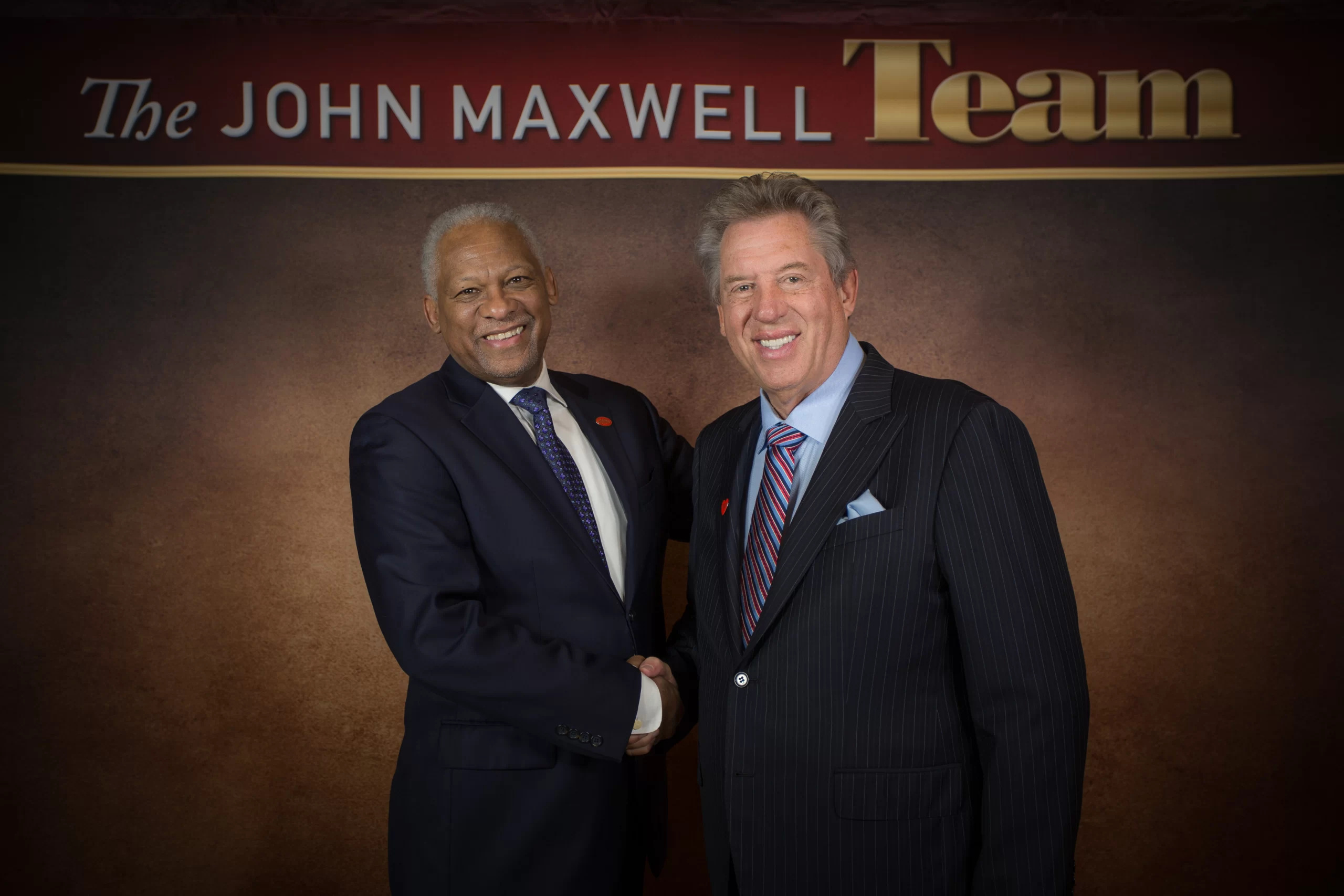
But as John C. Maxwell reminds us in Developing the Leader Within You 2.0, leadership is not position. Leadership is influence. Nothing more. Nothing less.
Now pause there for a second, because for many leaders of color, that definition can feel both liberating and uncomfortable at the same time.
rtable because many of us were raised professionally to believe that leadership would finally arrive once we worked hard enough, achieved enough, sacrificed enough, or became “acceptable enough” to the dominant culture.
Many leaders of color grew up inside organizations where the rules kept shifting like a basketball rim moving every time you shoot. You were told to outperform everybody else. Be twice as good. Never let them see you sweat. Don’t be too emotional. Don’t be too assertive. Don’t be too quiet either. Speak up more, but not like that. Be authentic, but not too authentic.
Whew. That kind of leadership pressure will wear your spirit down like cheap tires on a gravel road.
degrees, credentials, accomplishments, and overtime hours, then confidence will magically appear and executive presence will finally settle on our shoulders like royalty.
But Maxwell disrupts that myth completely.
If leadership is influence, then leadership begins long before the promotion. Long before the title. Long before somebody finally says, “You belong in this room.”
That matters deeply for leaders of color because too many talented professionals are waiting for external validation before they allow themselves to lead internally.
Here is the truth many organizations never teach:
Executive presence is not pretending to be somebody else’s version of leadership. Executive presence is the alignment between your values, your voice, your emotional intelligence, and your ability to influence others with clarity and steadiness under pressure.
That kind of presence cannot be borrowed from a title.
It must be developed from within.
Maxwell argues that leadership development starts with self-leadership. In other words: before you lead people, projects, or organizations, you must learn how to lead yourself. Your thoughts. Your emotions. Your reactions. Your fears. Your insecurities. Your need for approval.
Now let’s tell the truth here.
For many leaders of color, approval becomes a hidden addiction in the workplace. Not because they are weak, but because survival taught them to constantly read the room. To monitor tone. To anticipate bias. To avoid being labeled “difficult,” “aggressive,” “too sensitive,” or “not leadership material.”
So leadership slowly becomes performance theater.
The exhausting kind.
- You smile when you are frustrated.
- You overprepare because you fear mistakes will be magnified.
- You overexplain because you fear being misunderstood.
- You shrink your voice because confidence in a leader of color is often interpreted differently than confidence in others.
And eventually, many professionals begin measuring their leadership by other people’s comfort instead of their own clarity and competence.
That is a dangerous trap.
Because leadership is not the same thing as being liked.
Sometimes leadership means asking the uncomfortable question in the meeting everybody else is afraid to ask.
Sometimes leadership means challenging a broken system respectfully but firmly.
Sometimes leadership means refusing to abandon your values just to gain proximity to power.
And yes, sometimes leadership means standing in rooms where people underestimate you while refusing to underestimate yourself.
That is influence too.
This is where emotional intelligence becomes critical for leaders of color. Not as a soft skill, but as a survival skill and strategic advantage. Self-awareness helps leaders recognize when they are performing instead of leading. Self-management helps them regulate frustration instead of internalizing it. Social awareness helps them read organizational dynamics accurately without becoming consumed by them. Relationship management helps them build coalitions rather than isolation.
That is real leadership work.
Not the fake corporate version where everybody says “synergy” twelve times and nobody knows what the meeting was about.
What many leaders of color have missed is this: leadership development is not simply about gaining competence. It is about reclaiming authorship over your identity as a leader.
You cannot build lasting confidence if your entire definition of success depends on external applause.
You cannot sustain executive presence if your nervous system is constantly bracing for rejection.
And you cannot fully develop the leader within you if you keep measuring yourself against leadership models that were never designed with your lived experience in mind.
Maxwell’s definition should free leaders of color from the tyranny of title-chasing and approval-seeking. Because influence grows wherever authenticity, courage, consistency, emotional intelligence, and service meet.
Leadership is not what most people think.
It is not dominance.
It is not perfection.
It is not assimilation.
It is not becoming less of yourself to make others comfortable.
Leadership is influence grounded in character.
And some of the most powerful leaders in the room are the ones who finally stop asking, “Do I belong here?” and start asking, “How do I use my influence to make this place better?”
I talk about this more in my latest book titled; The Confessions of a DEI Consultant, click here to get a copy today.
Talk soon.
– Dan Houston